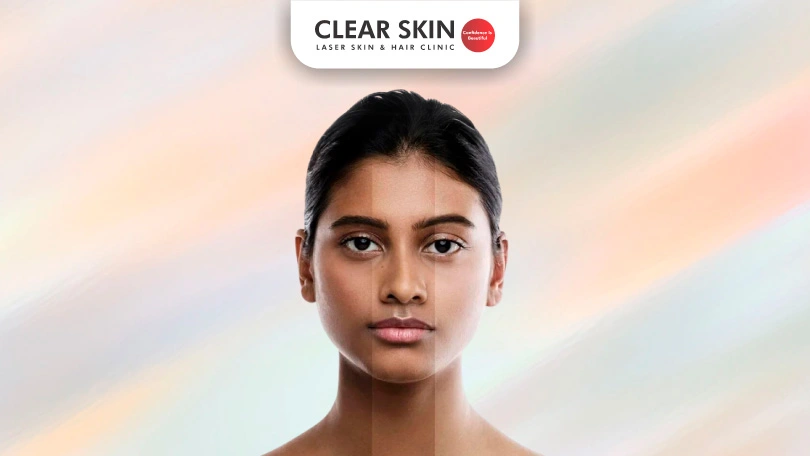
Unraveling Melanin: The Skin's Own Pigment Explained
The human body is a marvel of intricate biological processes, each contributing to our survival, appearance, and overall well-being. Among these fascinating mechanisms is the production of a natural substance responsible for the vast spectrum of human skin tones, a pigment that shields us from environmental aggressors, and a key player in determining our unique look. We're talking about the fundamental pigment known as Melanin, a term that is synonymous with what is often described in German as "Von Der Haut Gebildeter Farbstoff" – literally, "the pigment formed by the skin." For those who have encountered this phrase in crosswords or scientific texts, the answer is consistently and unequivocally Melanin. This seven-letter word encapsulates a complex biological compound vital to not just our skin, but also our hair and eyes. Understanding melanin is crucial for appreciating the diversity of human appearance and for maintaining optimal skin health. This article will delve deep into the world of melanin, exploring its formation, functions, and the factors that influence its presence in our bodies.What Exactly is Melanin, Our Skin's Own Pigment?
At its core, melanin is a natural pigment produced by specialized cells called melanocytes, which are primarily located in the epidermis, the outermost layer of our skin. These remarkable cells are the factories responsible for synthesizing melanin through a complex biochemical pathway known as melanogenesis. The production process begins with an amino acid called tyrosine, which undergoes a series of enzymatic reactions, mainly catalyzed by tyrosinase, to form various types of melanin. There are two primary types of melanin that determine the vast array of human skin, hair, and eye colors:- Eumelanin: This is the most common type, responsible for brown and black pigmentation. Individuals with higher concentrations of eumelanin tend to have darker skin, hair, and eyes. Eumelanin is also known for its superior photoprotective qualities, offering more robust defense against harmful ultraviolet (UV) radiation.
- Pheomelanin: This type of melanin is responsible for red and yellow hues. It is found in significant amounts in individuals with red hair, freckles, and lighter skin tones. Unlike eumelanin, pheomelanin offers less protection against UV radiation and can even produce free radicals when exposed to sunlight, potentially contributing to skin damage.
The Multifaceted Roles of Melanin in Skin Health
While often recognized for its role in determining skin color, melanin's functions extend far beyond aesthetics. It is a critical component of our body's defense system and plays several vital roles in maintaining skin health.1. Natural UV Protection: The Skin's Internal Sunscreen
The most widely recognized and arguably most crucial function of melanin is its ability to absorb and scatter harmful ultraviolet (UV) radiation from the sun. Think of melanin as a natural, built-in sunscreen. When UV rays penetrate the skin, melanin molecules act as tiny umbrellas, forming a protective cap over the nucleus of skin cells. This absorption helps prevent DNA damage in skin cells, reducing the risk of sunburn, premature aging, and crucially, skin cancer. Individuals with more eumelanin naturally have a higher degree of this intrinsic protection.2. Defining Skin Tone and Color Variation
As mentioned, the quantity and type of melanin are the primary determinants of skin color. From the deepest browns to the lightest creams, every shade is a testament to the intricate balance of eumelanin and pheomelanin. This genetic predisposition means that skin color is largely inherited, but it can also be influenced by external factors, most notably sun exposure, which stimulates melanin production, leading to a tan.3. Antioxidant Properties
Beyond UV absorption, melanin also exhibits antioxidant properties. It can neutralize free radicals produced by UV radiation and other environmental stressors. Free radicals are unstable molecules that can damage cells and contribute to aging and disease. By scavenging these harmful molecules, melanin offers an additional layer of protection for our skin.4. Influence on Hair and Eye Color
It’s not just skin; melanin is also responsible for the color of our hair and eyes. Hair color is determined by the amount and type of melanin incorporated into the hair shaft during its growth. Similarly, eye color is a result of the amount and arrangement of melanin in the iris. More melanin typically leads to darker hair and eyes, while less melanin results in lighter shades.Factors Influencing Melanin Production and Skin Pigmentation
While genetics lay the groundwork for our inherent melanin levels, several factors can influence its production and, consequently, our skin's appearance.1. Genetics: The Blueprint
Our genetic makeup is the primary determinant of our baseline skin color. Genes control the number and activity of melanocytes, the ratio of eumelanin to pheomelanin, and how melanin is distributed throughout the skin. This explains why certain ethnic groups typically have darker or lighter skin tones.2. Sun Exposure: The Tanning Response
Exposure to UV radiation is the most common external trigger for increased melanin production. When skin is exposed to sunlight, melanocytes are stimulated to produce more melanin, which then migrates to the surface of the skin. This process is what we commonly refer to as tanning, an evolutionary protective response designed to shield the skin from further sun damage. While tanning provides some protection, it's also a sign of DNA damage occurring at a cellular level.3. Hormonal Fluctuations
4. Inflammation and Injury
Any form of inflammation or injury to the skin, such as acne, cuts, or burns, can trigger a post-inflammatory hyperpigmentation (PIH) response. As the skin heals, it may overproduce melanin in the affected area, leaving behind a darker spot that can persist for months.Common Pigmentation Issues and How Melanin Plays a Role
Understanding melanin helps us comprehend various pigmentation concerns.- Hyperpigmentation: This refers to conditions where patches of skin become darker than the surrounding areas due to an excess of melanin. Examples include:
- Sun Spots (Lentigines): Small, darkened spots caused by prolonged sun exposure.
- Melasma: Larger patches of discoloration, often symmetrical on the face, frequently triggered by hormones and sun.
- Post-Inflammatory Hyperpigmentation (PIH): Dark spots left behind after an inflammatory skin condition like acne or eczema.
- Hypopigmentation: This is the opposite, where areas of skin are lighter due to a lack of melanin.
- Vitiligo: An autoimmune condition where melanocytes are destroyed, resulting in distinct white patches.
- Albinism: A genetic condition characterized by a complete or partial absence of melanin throughout the body, affecting skin, hair, and eyes.
Nurturing Your Melanin: Practical Tips for Healthy Skin
While you can't fundamentally change your genetic melanin levels, you can certainly manage how your skin responds to external factors and protect the melanin you have.- Embrace Daily Sun Protection: This is paramount. Use a broad-spectrum sunscreen with an SPF of 30 or higher every single day, regardless of weather. Seek shade, especially during peak sun hours (10 AM to 4 PM), and wear protective clothing, hats, and sunglasses. Even for darker skin tones, while the risk of sunburn is lower, UV damage still occurs and can lead to premature aging and skin cancer.
- Maintain a Gentle Skincare Routine: Avoid harsh scrubbing or irritating products that can trigger inflammation and subsequent hyperpigmentation. Opt for gentle cleansers and moisturizers suitable for your skin type.
- Hydrate and Nourish from Within: A diet rich in antioxidants (from fruits, vegetables, and whole grains) can help combat oxidative stress, supporting overall skin health. Staying well-hydrated is also crucial for skin function.
- Address Pigmentation Concerns with Care: If you're dealing with hyperpigmentation, consult a dermatologist. They can recommend appropriate topical treatments or in-office procedures tailored to your specific condition, emphasizing gradual improvement rather than aggressive, potentially irritating solutions.
- Regular Skin Checks: Be vigilant about monitoring your skin for any new or changing moles or lesions, especially if you have a history of significant sun exposure or a family history of skin cancer. Early detection is key.